
The Best List of Orchestral Instruments
From trailer music to pop arrangements, knowing your Flute from your Celeste is a vital aspect of being a composer and producer.

When writing orchestral music it is a great idea to get to know each of the instruments in the orchestra and what they can and cannot do. To help you in your musical journey I thought I would put together a list of orchestral instruments that you need to know.
For ease I have separated the orchestra into its five orchestral instrument families; strings, woodwinds, brass, keyboard, and percussion. Each family has
This list does not include every instrument in the orchestra only the most essential ones to get you started writing orchestral music.
The String Family
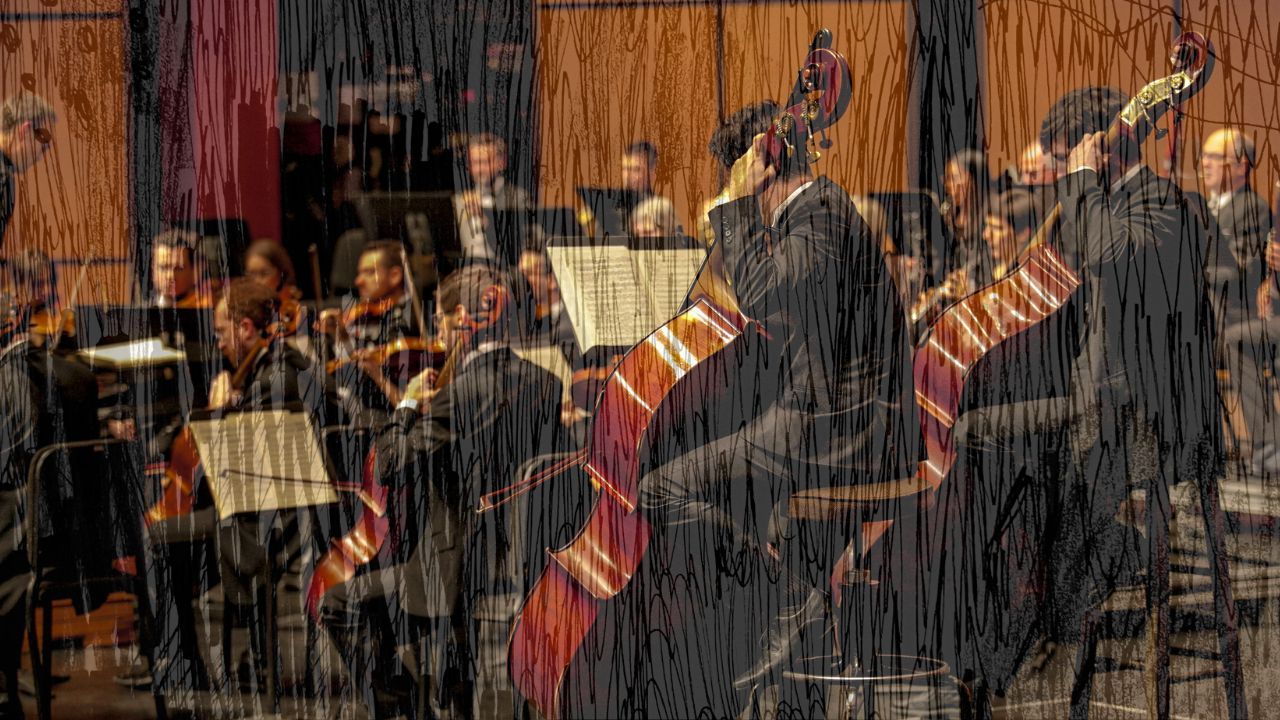
Probably the most well-known of all the orchestral families is the string family. They produce their sound by vibrating a string over a resonant body either by bowing, plucking, or hammering the string.
- Violin
- Viola
- Cello
- Double Bass
- Harp
The Plucked String Instrument Family
You may have noticed that I haven’t listed guitars in the string family. That is because it is part of a sub-category of stringed instruments called the “plucked string instruments”.
- Guitar
- Bass Guitar
- Lute
- Mandolin
- Balalaika
- Pipa
- Sitar
- Ukulele
- Banjo
The Woodwind Family
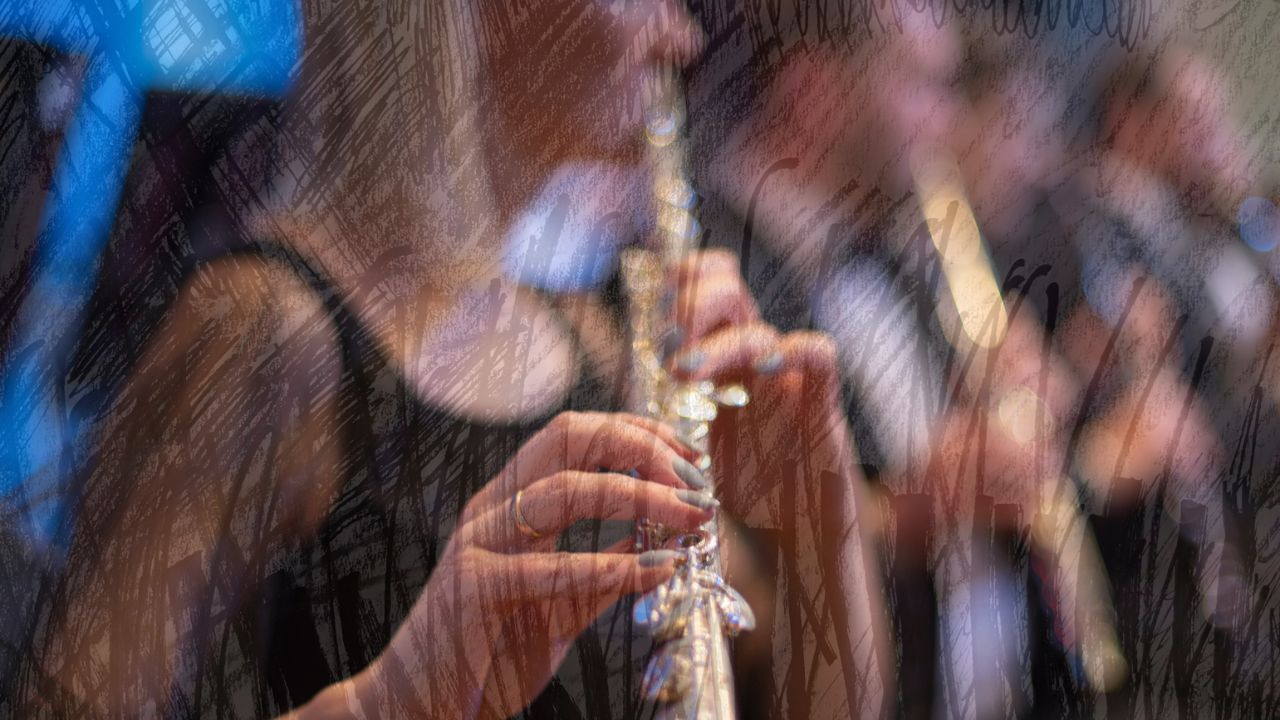
A diverse and enchanting group of instruments, the woodwind family, breathes life into melodies with their graceful and expressive voices. They produce sound by vibrating one or two reeds at the top of a wood or metal tube by passing air through the instrument.
From the ethereal flutes and the soulful clarinets to the mellifluous oboes and the warm tones of bassoons, woodwinds evoke a range of emotions through their delicate timbres.
With the ability to produce both gentle whispers and soaring melodies, these instruments possess unique flexibility.
- Piccolo
- Recorder
- Flute
- Oboe
- Cor Anglais
- Clarinet
- Bass Clarinet
- Saxophone
- Bassoon
- Contrabassoon
The Brass Family
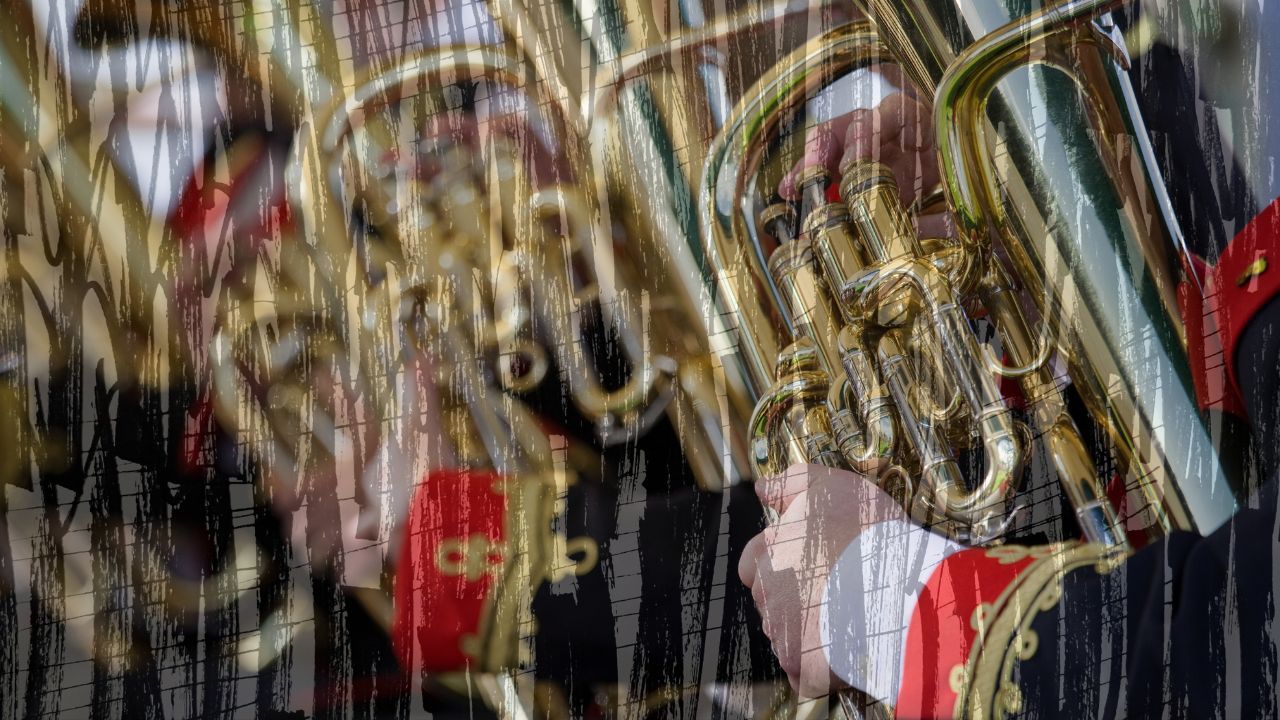
The instruments of the Brass family involve the lips of the player vibrating in sympathetic resonance with the air within a conical metal pipe.
- Trumpet
- French Horn
- Trombone
- Bass Trombone
- Euphonium
- Sousaphone
- Tuba
- Cimbasso
The Keyboard Family
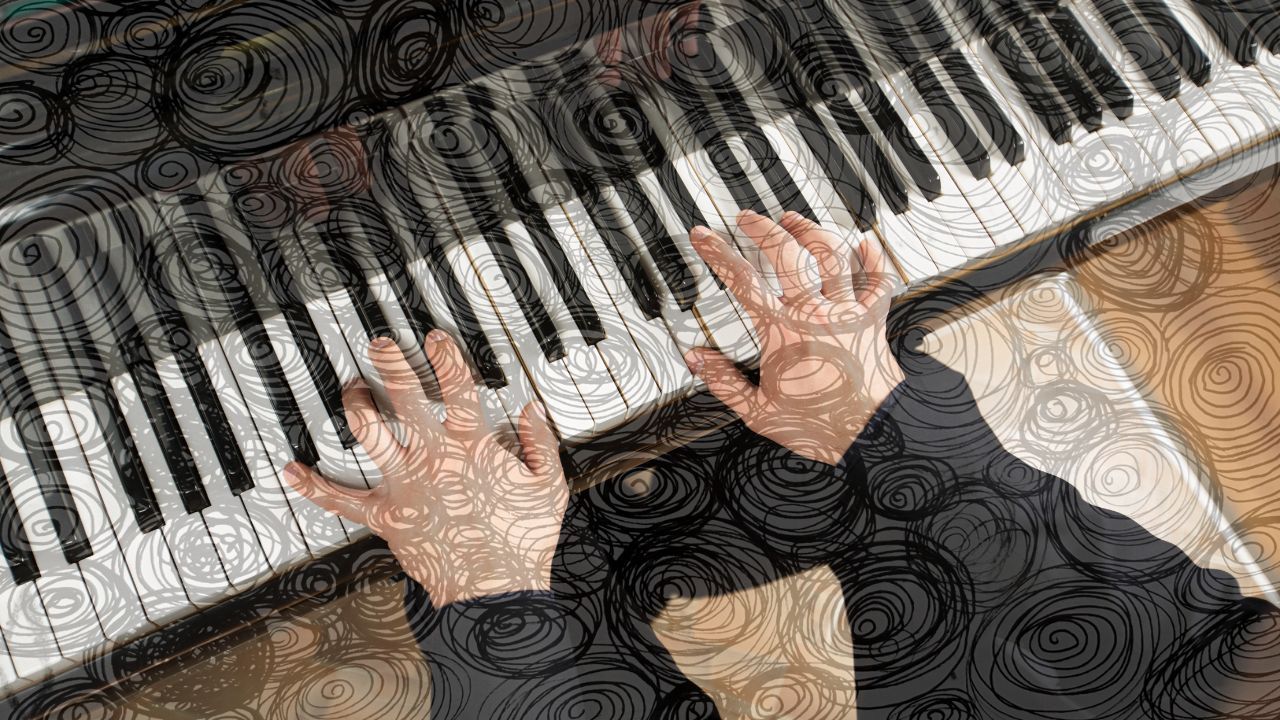
The keyboard family is a group of instruments that have brought harmony and melody to countless compositions throughout history. With their familiar layout of black and white keys, these instruments offer unique versatility and playability.
From the grandeur of the piano to the expressive nuances of the organ and the electronic wonders of synthesizers, keyboards have become integral to the fabric of music. With their ability to produce a wide range of tones and dynamics, keyboard instruments captivate listeners with their rich textures and captivating performances.
- Piano
- Harpsichord
- Clavichord
- Organ
- Celeste (sometimes included in the pitched percussion family)
- Synthesisers / Digital Pianos
- Accordion
The Percussion Family
As the percussion family is a very large family I have split it up into tuned and untuned percussion or pitched and non-pitched. This is based on whether the instrument can produce different pitches or not.
With all of these instruments, the sound is produced by hitting a part of the instrument.
Pitched Percussion Instruments
- Glockenspiel
- Marimba
- Xylophone
- Vibraphone
- Timpani
- Toms
Non-Pitched Percussion Instruments
- Snare drum
- Adam Tree
- Triangle
- Guiro
- Shakers
- Cymbals
- Tam Tam
As I have said, these are by no means all of the instruments in an orchestra but they certainly are the most common ones that you will encounter in your journey through orchestration.
Happy composing!Rich
Read next
- What Is A Piano Roll?
The piano roll started out as one of the earliest forms of recording a musical performance. These days it is an essential part of any music studio.
- The Percussion Family
From the tiniest egg shaker to the biggest orchestral bass drum, the percussion family is filled with amazing and wonderful sounds. Let's take a closer look at what makes them tick, tap, bang and boom.
- What are the Different Types of Pianos - With Pictures
There are more pianos than you might think and each of them has their very own distinct sound and character. Let's check them out.
- The Keyboard Family
We are not talking about the qwerty keyboard you are typing on right now. We are talking about the keyboards with the white and black keys that make music from 12 semitones spread across several octaves.